


Taking stock of hotels opening in Saitama Prefecture in 2026 (including those scheduled for December), MetroEngines Research counts 7 hotels with 1,351 rooms. Of these, 4 hotels with 928 rooms are new builds that added net room stock, while the remaining 3 hotels with 423 rooms are rebrands that took over the buildings and rooms of existing hotels. The four new builds are in Saitama-Shintoshin (389 rooms), Kumagaya (245), Tokorozawa (245) and Hanazono Interchange (49). Measured against existing active rooms within a 1km radius, they added 2.4x the existing stock in Tokorozawa, 47% in Saitama-Shintoshin and 23% in Kumagaya in a single step. This article separates new builds from rebrands, then uses estimated settled ADR by city and ward and estimated business hotel occupancy across the prefecture to assess the room for absorption facing developers, regional banks and limited-service hotel funds weighing projects for 2027 and beyond.
• ADR (average daily rate) = estimated settled rate (tax-excluded equivalent), calculated by applying a segment-specific adjustment factor to the lowest plan level each property publishes on OTAs (per room, two guests, tax included). Checked against property-level results disclosed by listed hotel REITs (91 properties, latest three months), the median error is about 7%. These are estimates and differ from each property’s actual settled prices and accounting figures.
• ADR at the area level (prefecture, city, ward) is the median of the estimated settled rates of covered properties, representing a typical property in the area.
• Any reference to listed prices means the per-room rate for two guests, tax included.
• OCC (occupancy) = rooms sold as a share of total rooms in the area (an estimate based on OTA sales inventory).
• Source: MetroEngines Research (continuously tracks OTA published prices for about 168,000 properties in Japan, of which about 27,000 are confirmed active)
- — 7 hotels, 1,351 rooms: Saitama hotel openings in 2026, including December scheduled openings. New builds with net added stock total 4 hotels and 928 rooms (68.7%), while 3 hotels with 423 rooms are rebrands of existing hotels.
- — 2.7x: The 928 new-build rooms are 2.7x the 344-room annual average of rooms opened in 2023-2025. In June, three APA Hotels with 760 rooms opened within two weeks.
- — Tokorozawa 2.4x: Added rooms relative to existing active rooms within 1km were 2.4x in Tokorozawa, +47.3% in Saitama-Shintoshin and +22.7% in Kumagaya (as of November 19, 2026).
- — Estimated OCC 90.7%: Estimated occupancy of Saitama business hotels in October 2026. Estimated settled ADR rose 3.9% YoY, the smallest gain among the seven Kanto prefectures.
- — ¥375M to ¥671M: Estimated annual room revenue for a 200-room new build (base case) is ¥375M in Kumagaya, ¥555M in Tokorozawa and ¥671M in Saitama City’s Chuo Ward, a gap of up to 1.8x.
2026 Openings: 7 Hotels, 1,351 Rooms; Net Additions Are 928 Rooms From 4 New Builds
MetroEngines Research opening data (based on confirmed OTA listings) shows 7 hotel-category properties with 1,351 rooms opening in Saitama in 2026. The six properties with more than 100 rooms total 1,302 rooms, or 96.4% of the total. The seven are not alike, however. According to company announcements, APA Hotel Saitama Ageo Station (アパホテル〈埼玉上尾駅前〉) opened under a franchise agreement after renovating its rooms, front desk and lobby, Hotel Global View Urawa (ホテルグローバルビュー浦和) was announced as a rebrand opening in February 2026, and Smile Hotel Omiya West Exit (スマイルホテル大宮西口) as a rebrand opening on December 1. Each occupies a building where a hotel with the same room count already operated at the same address, so local room stock did not increase.
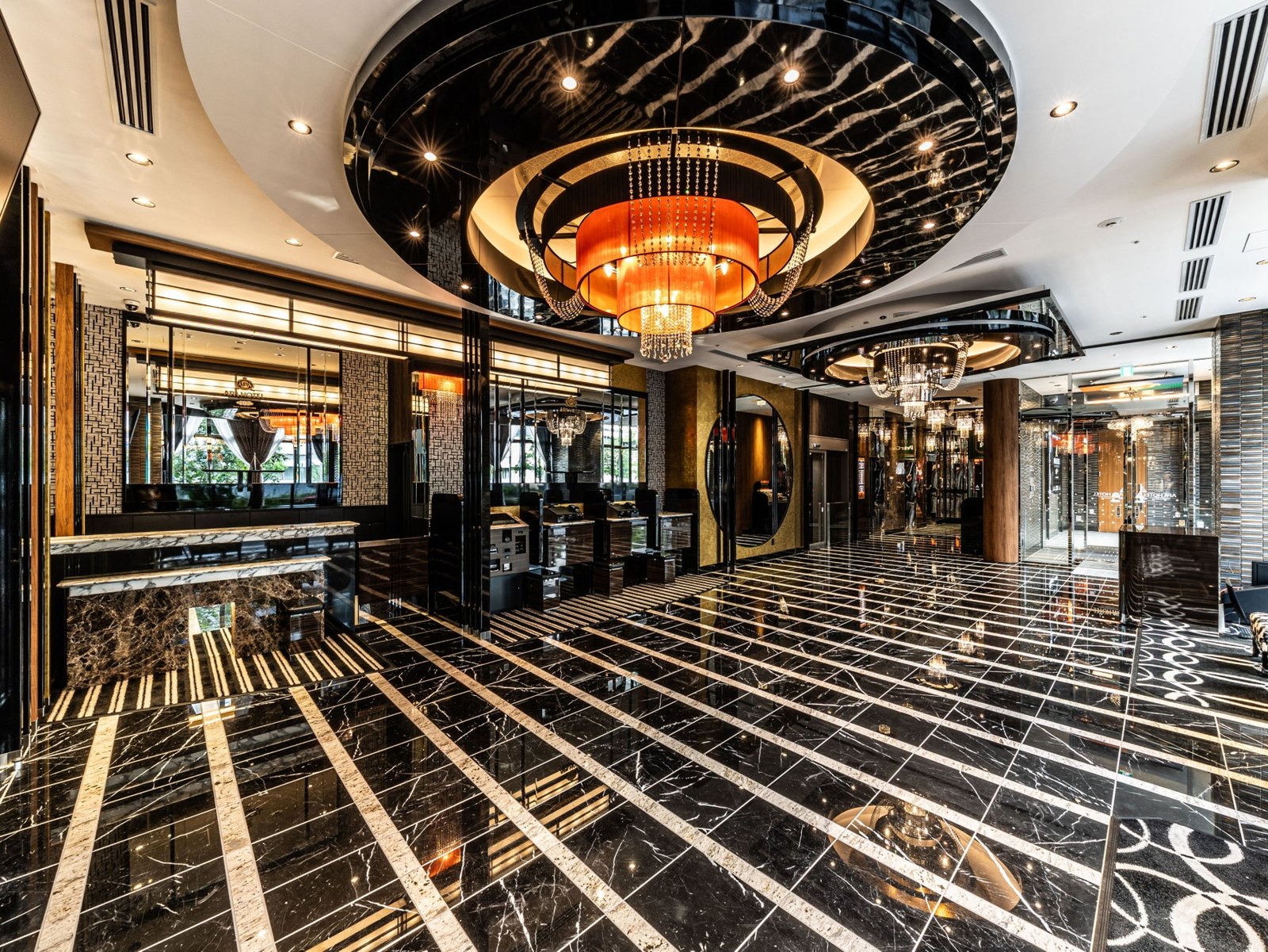
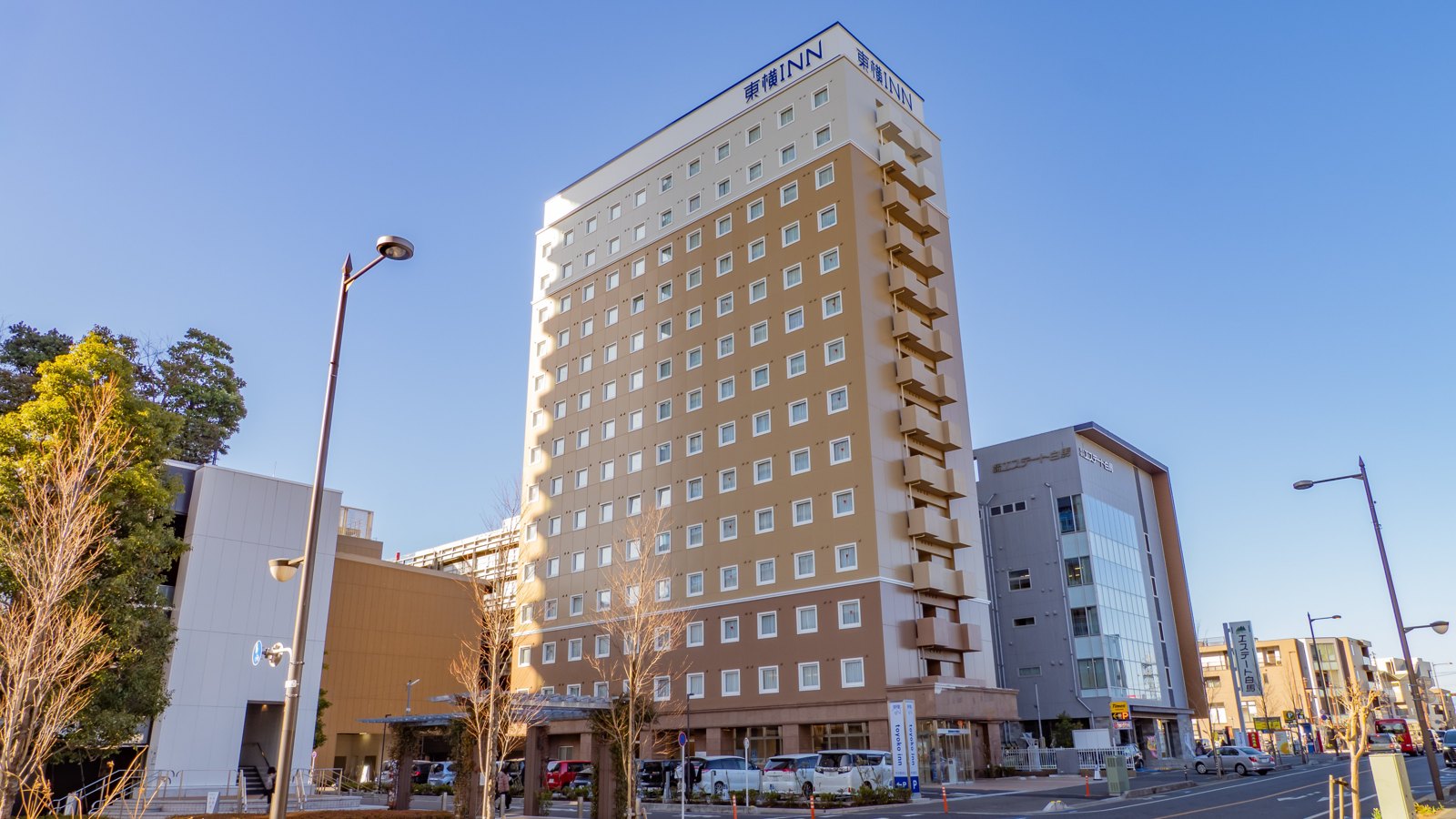
By contrast, APA Hotel Saitama-Shintoshin Station West (アパホテル〈さいたま新都心駅西〉, 13 floors, 389 rooms) and APA Hotel Kumagaya Station North (アパホテル〈熊谷駅前北〉, 14 floors, 245 rooms) were announced by the company as new hotels built to its latest specifications, and Toyoko Inn Tokorozawa Station West Exit (東横INN所沢駅西口, 245 rooms) and HOTEL R9 The Yard Hanazono Interchange (HOTEL R9 The Yard 花園インター, 49 rooms) are also newly built. Net additions to prefectural room stock therefore come from the 928 rooms in these four new builds, or 68.7% of opened rooms. When estimating supply pressure, this 928-room figure is closer to reality than the headline counts of openings and rooms. For a national breakdown of October-December 2026 openings into new builds and rebrands on the same basis, see Japan Q4 2026 Openings: 32 Hotels, 4,755 Rooms, Only 2,730 Truly New.
| Property | City / Ward | Opening Date | Rooms | Type | Access |
|---|---|---|---|---|---|
| APA Hotel Saitama-Shintoshin Station West | Saitama City, Chuo Ward | 2026-06-18 | 389 rooms | New build | 5-min walk from Saitama-Shintoshin Stn |
| APA Hotel Kumagaya Station North | Kumagaya | 2026-06-05 | 245 rooms | New build | 4-min walk from Kumagaya Stn |
| Toyoko Inn Tokorozawa Station West Exit | Tokorozawa | 2026-02-21 | 245 rooms | New build | 3-min walk from Tokorozawa Stn West Exit |
| Smile Hotel Omiya West Exit | Saitama City, Omiya Ward | 2026-12-01 (scheduled) | 157 rooms | Rebrand | Omiya Stn West Exit |
| Hotel Global View Urawa | Saitama City, Urawa Ward | 2026-02 | 140 rooms | Rebrand | About 3-min walk from Urawa Stn West Exit |
| APA Hotel Saitama Ageo Station | Ageo | 2026-06-09 | 126 rooms | Rebrand | 3-min walk from Ageo Stn East Exit |
| HOTEL R9 The Yard Hanazono Interchange | Fukaya | 2026-05-07 | 49 rooms | New build | 3-min drive from Hanazono IC |
| Total | 1,351 rooms | New build 928 / Rebrand 423 |
Source: MetroEngines Research & Consulting (based on confirmed OTA listings, N=7 properties) and company announcements. Classification follows each company’s opening notice.
Outside the hotel category, two small cottage-style properties with 37 rooms opened in Higashimatsuyama and Kawajima, and two whole-house rentals with 2 units opened in Saitama City’s Urawa Ward and Kawaguchi. Because their scale is small and they serve different demand, the analysis below focuses on the seven hotels.
928 New-Build Rooms Are 2.7x the Prior Three-Year Average, With 634 Arriving in June
Compared with past openings, the scale of 2026 stands out. On the same OTA-listing basis, Saitama hotel-category openings totaled 336 rooms in 2023, 516 in 2024 and 181 in 2025 (all including rebrands). The three-year average is 344 rooms, and the 928 new-build rooms of 2026 alone are 2.7x that level. Daiwa Roynet Hotel Omiya West Exit (265 rooms) led 2024, while 2025 was dominated by small and mid-sized properties in Chichibu and Honjo.
Source: MetroEngines Research & Consulting (based on confirmed OTA listings). 2023-2025 include rebrands. 2026 includes one hotel (157 rooms) scheduled to open on December 1.
Openings were concentrated in June. Three APA Hotels with 760 rooms opened within two weeks, in Kumagaya on June 5, Ageo on June 9 and Saitama-Shintoshin on June 18, with the two new builds adding 634 net rooms. At the Shintoshin opening, APA Hotel Co., Ltd. reported operating 7 hotels with 1,271 rooms in Saitama, building up room count quickly through a series of consecutive openings in the prefecture. In February, Toyoko Inn Tokorozawa Station West Exit (245 rooms) opened as the chain’s 362nd property nationwide, according to the company. It introduced new room types with bedding from Nishikawa and Mizuno, a notable product move aimed at capturing business travel demand.
Source: MetroEngines Research & Consulting (based on confirmed OTA listings, N=7 properties) and company announcements
Added Rooms Within 1km of Stations: Tokorozawa 2.4x, Saitama-Shintoshin +47%, Kumagaya +23%
To gauge how many rooms the four new builds added to nearby stock, we measured active rooms within a 1km radius of each new hotel. Around Tokorozawa Station West Exit, only one existing hotel with 104 rooms was active, so the addition of 245 rooms (2.4x existing stock) raised room stock to about 3.4x. At Saitama-Shintoshin Station West, 389 rooms (+47.3%) joined 823 existing rooms in 5 hotels, and at Kumagaya Station North, 245 rooms (+22.7%) joined 1,077 existing rooms in 9 hotels. Suburban Hanazono Interchange has no existing hotels within 1km; widening the radius to 3km, its 49 rooms add 20.2% to 243 existing rooms in 3 hotels.
Source: MetroEngines Research & Consulting. Existing rooms are active rooms within the radius, excluding the new hotel itself. Hanazono Interchange uses a 3km radius.
Room stock in this article covers lodging facilities with 10 or more rooms (excluding leisure hotels) within a 1,000m radius of APA Hotel Saitama-Shintoshin Station West. Active means a selling price was confirmed on major booking sites in the latest three months (September to November 2026), as of November 19, 2026 (MetroEngines Research). Kumagaya and Tokorozawa were tallied on the same terms around each new hotel, and only Hanazono Interchange uses a 3,000m radius.
The differences in added share also reflect how much lodging capacity each station area already had. Kumagaya, a stop on the Joetsu Shinkansen, has long had a cluster of business hotels, so even 245 new rooms add only a little over 20% to existing stock. Tokorozawa, by contrast, is a Seibu Line hub with a concentration of jobs and commerce but few large hotels by the station. A 245-room new build there created new capacity to capture lodging demand at the station, which is closer to market expansion. Saitama-Shintoshin is a business and event location with major government facilities and an arena, and the 389-room new build raised rooms within the radius to about 1.5x. For room stock and rate trends within 1km of neighboring Omiya Station, see Saitama City Hotels 2026: Omiya Stock Flat at 2,720 Rooms, ADR ¥9,456.
Estimated Settled ADR by City and Ward: Urawa Above ¥11,000, Kumagaya Around ¥6,000
Across the seven cities and wards where openings clustered, estimated settled ADR in October 2026 was ¥11,400 in Saitama City’s Urawa Ward (N=4 properties), ¥10,800 in Chuo Ward (N=5) and ¥9,500 in Omiya Ward (N=17), followed by Tokorozawa at ¥8,900 (N=6), Ageo at ¥8,100 (N=5), Fukaya at ¥6,200 (N=9) and Kumagaya at ¥6,000 (N=15). Even in markets centered on business hotels, the three central Saitama City wards run roughly ¥3,000 to ¥5,000 per room above Kumagaya and Fukaya in the north of the prefecture. For the full rate hierarchy across 35 areas in the prefecture, see also Saitama Hotel Rates Vary 4.8x by Municipality: 35 Areas, 5 Tiers.
Source: MetroEngines Research & Consulting. Median estimated settled ADR by city and ward (tax-excluded equivalent, two guests per room), October 2026. Figures in parentheses are property counts.
| City / Ward | Oct 2025 | Oct 2026 | YoY | Jun-Oct Avg YoY | Properties (Oct 2026) |
|---|---|---|---|---|---|
| Saitama City, Urawa Ward | ¥13,460 | ¥11,412 | — | — | 4 |
| Saitama City, Chuo Ward | ¥14,678 | ¥10,799 | — | — | 5 |
| Saitama City, Omiya Ward | ¥10,226 | ¥9,456 | −7.5% | −10.6% | 17 |
| Tokorozawa | ¥8,216 | ¥8,927 | +8.7% | +3.7% | 6 |
| Ageo | ¥7,361 | ¥8,051 | +9.4% | +5.4% | 5 |
| Fukaya | ¥5,964 | ¥6,201 | +4.0% | −0.5% | 9 |
| Kumagaya | ¥6,032 | ¥6,044 | +0.2% | −0.6% | 15 |
Source: MetroEngines Research & Consulting. YoY is not shown for Urawa and Chuo wards because their property counts changed from the prior year (Urawa 3 to 4, Chuo 4 to 5).
YoY comparisons need care. Chuo and Urawa wards have only 4 to 5 covered properties, and new properties joined the sample in 2026, so much of the change in level can be explained by sample turnover. Their YoY figures are therefore excluded from the table. Among cities and wards with a stable property count, Tokorozawa rose 8.7% YoY in October and Ageo rose 9.4%, while Kumagaya held flat at +0.2%. In Tokorozawa, rates rose in the same year that rooms by the station grew about 3.4x, which suggests the new rooms broadened the base of demand rather than competing for existing demand. Kumagaya also absorbed a 23% addition to existing stock without rate erosion.
Estimated Business Hotel OCC in Saitama Reached 90.7% in October
What about supply and demand across the prefecture? MetroEngines Research estimates that Saitama business hotel occupancy (estimated, based on OTA-listed inventory) ran at 82.9% in June, when new builds opened in quick succession, 83.8% in July and 82.7% in August, before rising to 85.4% in September and 90.7% in October. October combines autumn business travel and event demand, and the prefecture’s business hotels filled to a high level even with the new rooms included.
Source: MetroEngines Research & Consulting. Coverage varies by month: 58 to 65 properties and 5,699 to 6,654 rooms (based on listings on major booking sites). Estimates are based on the sell-through of inventory sold on OTAs and differ from actual property-wide occupancy.
Estimated settled ADR followed the same path on a YoY basis. The median for Saitama business hotels (N=146 to 150 properties) rose 6.9% YoY in January, with gains narrowing into spring, then fell below the prior year by 2.0% to 3.9% in June through August. It returned to growth with +0.4% in September and +3.9% in October (¥7,800). The summer dip coincided with large new-build inventory coming to market, when hotels appear to have prioritized occupancy over rate, but rates recovered as the autumn demand season began. That prefecture-wide supply and demand recovered within about four months of the openings is a positive sign for evaluating projects from 2027 onward.
Source: MetroEngines Research & Consulting. Median estimated settled ADR of Saitama business hotels (tax-excluded equivalent, two guests per room). 2026 data runs through finalized October.
Compared With Seven Kanto Prefectures: Saitama Ranks Third in OCC, With the Smallest Rate Gain at +3.9%
Placing Saitama’s 2026 supply alongside the other Kanto prefectures clarifies its position. In MetroEngines Research opening data (based on confirmed OTA listings), hotel-category openings (business, city, capsule and resort) in 2026 totaled 2,498 rooms in 43 hotels in Tokyo and 1,544 rooms in 10 hotels in Chiba, with Saitama third at 1,351 rooms in 7 hotels. These are headline figures that do not separate new builds from rebrands, so net additions in other prefectures may be smaller than shown.
On the demand side, estimated business hotel occupancy in October 2026 (OTA-listed inventory basis) was 90.7% in Saitama, third behind Tokyo at 95.8% and Kanagawa at 92.7%. Meanwhile, Saitama’s +3.9% YoY gain in estimated settled ADR for the same month was the smallest of the seven prefectures, below Gunma at +8.3%, Chiba at +7.5% and Kanagawa at +7.3%. Saitama absorbed its large volume of new rooms by holding occupancy while restraining rate growth, which also suggests there is still room to raise rates in peak periods.
| Prefecture | 2026 Openings (Hotels) | Rooms | Business Hotel Est. OCC (Oct 2026) | Est. Settled ADR (Oct 2026) | YoY | ADR Properties |
|---|---|---|---|---|---|---|
| Tokyo | 43 hotels | 2,498 rooms | 95.8% (555 hotels) | ¥17,491 | +14.0% | 913 |
| Chiba | 10 hotels | 1,544 rooms | 90.3% (95 hotels) | ¥8,334 | +7.5% | 165 |
| Saitama | 7 hotels | 1,351 rooms | 90.7% (65 hotels) | ¥7,832 | +3.9% | 147 |
| Kanagawa | 12 hotels | 1,247 rooms | 92.7% (122 hotels) | ¥9,670 | +7.3% | 210 |
| Tochigi | 10 hotels | 930 rooms | 87.0% (65 hotels) | ¥7,235 | +5.1% | 137 |
| Gunma | 4 hotels | 435 rooms | 89.3% (50 hotels) | ¥6,898 | +8.3% | 101 |
| Ibaraki | 7 hotels | 421 rooms | 87.3% (87 hotels) | ¥7,040 | +5.0% | 187 |
Source: MetroEngines Research & Consulting. Openings are based on confirmed OTA listings, include December scheduled openings and do not separate new builds from rebrands. Estimated OCC is based on OTA-listed inventory (property counts in parentheses). Estimated settled ADR is the prefectural business hotel median (tax-excluded equivalent, two guests per room).
Location: Six Hotels in Commercial Zones, Kumagaya Within the Arakawa Flood Zone
Checking each hotel’s location in the MLIT Real Estate Information Library shows that all six hotels other than Hanazono Interchange are in commercial zones (80% building coverage). Floor area ratio is 400% in Saitama-Shintoshin, Tokorozawa, Ageo and Urawa, 500% at Omiya West Exit and 600% in Kumagaya. With almost no exceptions, 2026 openings were on the high-density commercial land by stations typical of limited-service hotels. Hanazono Interchange is in an area with no zoning designation, outside the urbanization promotion area. Three minutes by car from a Kan-Etsu Expressway interchange, it is a format aimed at guests traveling by car, with 48 free parking spaces.
| Property (Location) | Zoning | Building Coverage / FAR | Flood Inundation (Maximum Assumed Scale) |
|---|---|---|---|
| Saitama-Shintoshin Station West | Commercial | 80% / 400% | Outside zone |
| Kumagaya Station North | Commercial | 80% / 600% | Arakawa River: 0.5m to under 3.0m |
| Tokorozawa Station West Exit | Commercial | 80% / 400% | Outside zone |
| Omiya West Exit | Commercial | 80% / 500% | Kamo River basin: under 0.5m |
| Urawa | Commercial | 80% / 400% | Outside zone |
| Ageo Station | Commercial | 80% / 400% | Outside zone |
| Hanazono Interchange | None designated (outside urbanization area) | — | Outside zone |
Source: Compiled by MetroEngines Research & Consulting from the MLIT Real Estate Information Library (zoning and flood inundation zones). Determined by the zone containing each property’s coordinates.
On disaster risk, the Kumagaya Station North site falls within the Arakawa River flood inundation zone (maximum assumed scale), in the 0.5m to under 3.0m depth band. Omiya West Exit is in the under-0.5m zone of the Kamo River basin. The other five hotels are outside these zones. The Kumagaya depth band would flood the first floor, a level at which building measures such as locating electrical equipment on upper floors and installing flood barriers can help limit damage. When considering new projects in the north of the prefecture, it is worth confirming the Arakawa and Tone River inundation zones at an early stage.
Source: MetroEngines Research & Consulting
Modeling Annual Room Revenue for a 200-Room New Build: Three Scenarios and ADR x OCC Sensitivity
To show how rate differences by city and ward affect project revenue, we modeled annual room revenue (ADR x OCC x 365 days x rooms) for a new 200-room limited-service hotel. ADR uses estimated settled ADR by city and ward for October 2026 (tax-excluded equivalent), and occupancy uses the prefecture’s estimated business hotel range for June to October 2026 (82.7% to 90.7%, five-month average 85.1%). The downside and upside cases combine the range of YoY change in estimated settled ADR over the same period (−3.9% / +3.9%) with the lowest and highest monthly occupancy.
| City / Ward | Scenario | Est. Settled ADR | Est. OCC | RevPAR | Annual Room Revenue (200 rooms) |
|---|---|---|---|---|---|
| Kumagaya | Downside | ¥5,808 | 82.7% | ¥4,803 | ¥351M |
| Base | ¥6,044 | 85.1% | ¥5,143 | ¥375M | |
| Upside | ¥6,280 | 90.7% | ¥5,696 | ¥416M | |
| Tokorozawa | Downside | ¥8,579 | 82.7% | ¥7,095 | ¥518M |
| Base | ¥8,927 | 85.1% | ¥7,597 | ¥555M | |
| Upside | ¥9,275 | 90.7% | ¥8,412 | ¥614M | |
| Saitama City, Chuo Ward | Downside | ¥10,378 | 82.7% | ¥8,583 | ¥627M |
| Base | ¥10,799 | 85.1% | ¥9,190 | ¥671M | |
| Upside | ¥11,220 | 90.7% | ¥10,177 | ¥743M |
Source: Editorial estimates based on estimated settled ADR and occupancy from MetroEngines Research & Consulting. Room revenue only; excludes food and beverage and other revenue, expenses and taxes.
In the base case, the same 200 rooms generate ¥375M a year in Kumagaya, ¥555M in Tokorozawa and ¥671M in Saitama City’s Chuo Ward, a gap of up to 1.8x. Even Kumagaya’s upside case (¥416M) falls short of Tokorozawa’s downside case (¥518M). A ¥1,000 difference in estimated settled ADR changes annual room revenue by about ¥62M at 200 rooms and 85.1% occupancy. If construction and land costs do not differ greatly by location, this rate gap translates directly into a yield gap.
| City / Ward | Est. Settled ADR (Oct 2026) | OCC 75% | 80% | 85% | 90% | 95% |
|---|---|---|---|---|---|---|
| Saitama City, Urawa Ward | ¥11,412 | 312.4 | 333.2 | 354.1 | 374.9 | 395.7 |
| Saitama City, Chuo Ward | ¥10,799 | 295.6 | 315.3 | 335.0 | 354.7 | 374.5 |
| Saitama City, Omiya Ward | ¥9,456 | 258.9 | 276.1 | 293.4 | 310.6 | 327.9 |
| Tokorozawa | ¥8,927 | 244.4 | 260.7 | 277.0 | 293.3 | 309.5 |
| Ageo | ¥8,051 | 220.4 | 235.1 | 249.8 | 264.5 | 279.2 |
| Fukaya | ¥6,201 | 169.8 | 181.1 | 192.4 | 203.7 | 215.0 |
| Kumagaya | ¥6,044 | 165.5 | 176.5 | 187.5 | 198.5 | 209.6 |
Source: Editorial estimates based on estimated settled ADR by city and ward from MetroEngines Research & Consulting (October 2026, tax-excluded equivalent). Annual room revenue per room = ADR x OCC x 365 days.
The sensitivity table shows that even at 95% occupancy, Kumagaya generates about ¥2.1M per room, short of Omiya Ward at 75% occupancy (about ¥2.59M). To make projects viable in the north of the prefecture, a format that holds down construction costs, or facilities such as large baths and parking that lift rates, are likely to do more than adding occupancy. Note that October falls in the autumn demand season, so full-year results including the winter low season may come in below these estimates.
The Pipeline From 2027 and Considerations for Investment Decisions
Based on building confirmation filings in the MLIT Building Construction Statistics, we identified three hotel projects in Saitama: Saitama-Shintoshin (389 rooms), Kumagaya (257 rooms planned) and Honjo (121 rooms), all scheduled for completion in 2025-2026, with Saitama-Shintoshin and Kumagaya having opened in June 2026. No projects in the prefecture scheduled for completion in 2027 or later could be confirmed at the time of the survey. Because confirmation filings are made one to two years before opening, this figure should be treated as a floor that will rise with future filings. Even so, after 928 net new rooms arrived together in 2026, the market does appear to be entering a period with few visible follow-on projects.
Developers, regional banks and limited-service hotel funds face three issues. First, evaluate supply by separating new builds from rebrands. About 30% of rooms opened in Saitama in 2026 were rebrands, so treating the headline 1,351 rooms as added supply overstates the pressure. Rebranding is also an effective reinvestment approach for raising the value of existing buildings, and existing hotels a few minutes on foot from stations, as in Urawa, Ageo and Omiya West Exit, have room to improve rates through a brand conversion.
Second, the thinner the existing stock within 1km of a station, the more likely a new build is to expand the market even when its share of added rooms is large. Tokorozawa’s estimated settled ADR rose 8.7% YoY in the year rooms by the station grew about 3.4x. Identifying cities in the prefecture where station-area lodging is thin relative to their concentration of business and commerce should help uncover the next investment opportunities. Third, estimated settled ADR differs by roughly ¥3,000 to ¥5,000 between the three central Saitama City wards and Kumagaya and Fukaya in the north, so yields vary widely at the same construction cost. In the north, the choice of format will shape returns: either lift rates with facilities that add stay value, such as large baths and parking, or make the numbers work with lower-cost unit or container formats.
Summary
Saitama’s 2026 hotel openings total 7 hotels and 1,351 rooms, with 928 net new rooms from 4 new builds. The new builds split between station-area commercial land in Saitama-Shintoshin (389 rooms), Kumagaya (245) and Tokorozawa (245) and a suburban site at Hanazono Interchange. Additions relative to existing rooms within 1km of stations were large, at 2.4x in Tokorozawa, +47% in Shintoshin and +23% in Kumagaya, yet estimated business hotel occupancy in the prefecture reached 90.7% in October, estimated settled ADR recovered to +3.9% YoY, and rates in Tokorozawa and Ageo also exceeded the prior year. After a summer adjustment, the large 2026 supply was being absorbed by autumn, a year that showed the prefecture’s lodging market can widen its capacity to take in demand.
Note on the data:Opening data is based on confirmed OTA listings. Because listings appear several months before opening, figures for recent and upcoming months may rise as new listings appear. Smile Hotel Omiya West Exit is scheduled to open on December 1, 2026 and had not yet opened at the time of writing (November 18, 2026). Counts from the Building Construction Statistics are based on confirmation filings at the time of the survey and are expected to increase as filings are added, so please treat them as a floor for the currently confirmed pipeline.
Related Reading
- Saitama City Hotels 2026: Omiya Stock Flat at 2,720 Rooms, ADR ¥9,456
- Business Hotel New-Room Ratio 2026: Saitama 15.5%, Okayama 14.5%
- New Hotel Openings: 57.7% Within 800m of a Station (16,036 Sites)
- Hotel Construction: 24 Months Standalone, 49 Mixed-Use; 2029 Deadlines
- Saitama Hotel Rates Vary 4.8x by Municipality: 35 Areas, 5 Tiers
- Japan Q4 2026 Openings: 32 Hotels, 4,755 Rooms, Only 2,730 Truly New
- Osaka New Hotel Openings 2026: 56 Hotels, 3,406 Rooms, Half Rebrands
References and Sources
■ Data Sources
MetroEngines Research opening data (based on confirmed OTA listings, 2023-2026, including December scheduled openings); room stock within a 1km radius of each new hotel (3km for Hanazono Interchange only) as of November 19, 2026; estimated settled ADR by city, ward and prefecture (October 2025 to October 2026); and estimated business hotel occupancy (OTA-listed inventory basis, June to October 2026). Zoning and flood inundation data come from the MLIT Real Estate Information Library, and the pipeline from 2027 comes from building confirmation filings in the MLIT Building Construction Statistics. New-build and rebrand classifications were confirmed from each company’s opening announcements.
■ Modeling Assumptions
Tables 5 and 6 assume a new 200-room limited-service hotel and annualize room revenue (ADR x OCC x 365 days x rooms), using estimated settled ADR by city and ward for October 2026 (tax-excluded equivalent, two guests per room) and the prefecture’s estimated business hotel occupancy for June to October 2026 (low 82.7%, average 85.1%, high 90.7%). Downside and upside ADR use the range of YoY change over the same period (−3.9% / +3.9%). Food and beverage and other revenue, operating expenses, taxes and construction costs are excluded.
■ Limitations
Estimated settled ADR and estimated occupancy are derived from published OTA prices and listed inventory and differ from each property’s actual settled prices and occupancy. Saitama City’s Chuo and Urawa wards have only 4 to 5 covered properties, so their levels can move with changes in the sample. The model is a mechanical guide that applies October rates from the autumn demand season to the full year, and full-year results including the winter low season may be lower. Because opening data is based on confirmed listings, recent months may increase, and other prefectures’ opening rooms in Table 3 are headline figures that do not separate new builds from rebrands.
■ Market Data
- MetroEngines Research & Consulting — New openings (based on confirmed OTA listings), room stock by radius, estimated settled ADR by city and ward, and estimated occupancy (OCC)
■ Government Statistics and Public Data
- MLIT Real Estate Information Library: zoning, flood inundation zones and city planning areas
- MLIT Building Construction Statistics
- Japan Tourism Agency, Overnight Travel Statistics Survey
■ News and Press Releases
- Third consecutive Saitama opening: APA Hotel Saitama-Shintoshin Station West opens today (APA Hotel Co., Ltd., June 18, 2026)
- First consecutive Saitama opening: APA Hotel Kumagaya Station North opens today (APA Hotel Co., Ltd., June 5, 2026)
- Second consecutive Saitama opening: APA Hotel Saitama Ageo Station opening ceremony (APA Hotel Co., Ltd., June 2026)
- Toyoko Inn Tokorozawa Station West Exit opening notice (Toyoko Inn Co., Ltd.)
- HOTEL R9 The Yard Hanazono Interchange opening (Develop Co., Ltd., April 2026)
- Smile Hotel official website: Smile Hotel Omiya West Exit rebrand opening on December 1, 2026