


Ippe THE SAKE RYOKAN (いっぺ THE SAKE RYOKAN), an adults-only lodging facility, has opened on Motona Beach in Kyonan Town, Chiba Prefecture.
A century-old ryokan and a former private residence have been restored and re-edited into an inn where guests can experience roughly 40 varieties of local sake brewed in Chiba, seafood and game meat from the Boso Peninsula, and historic architecture as a single “sake journey.” All 16 rooms come with a semi-open-air bath, and three lounges inside the property let guests freely enjoy sake from breweries across the prefecture.
Motona Beach was once crowded with visitors. We asked the operator how the property intends to communicate a new value of stay-based tourism from this location, and what thinking went into the opening.
Official site: https://awa-ippe.com/
— Could you tell us the background to developing Ippe THE SAKE RYOKAN around the concept of a “sake journey”?
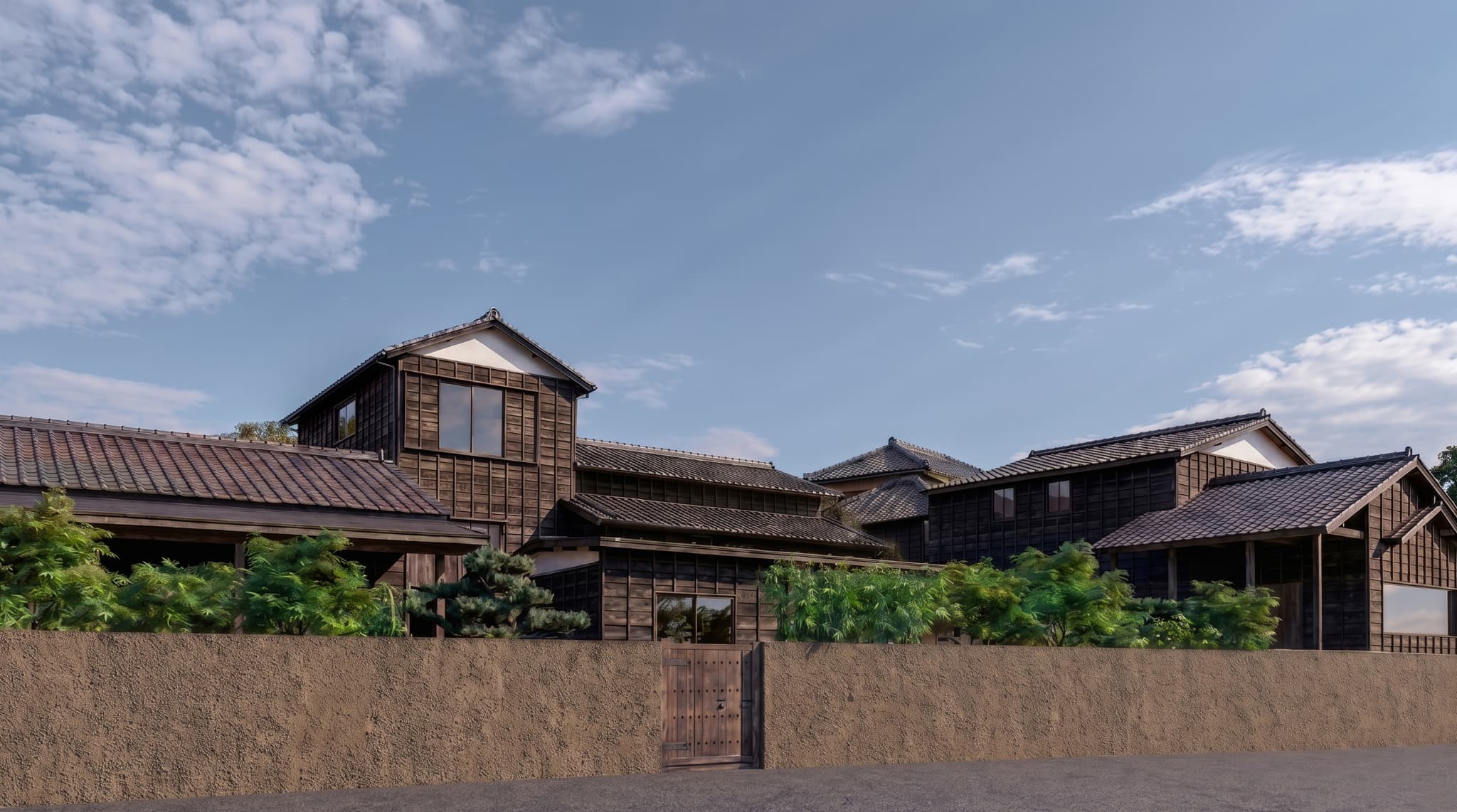
Chiba Prefecture is one of the Kanto region’s leading rice-producing areas, and sake brewing has flourished here since long ago. Distinctive breweries are still scattered across the prefecture, yet it would be hard to say their appeal is widely known nationwide.
In recent years, while people often say that younger generations are drinking less alcohol, interest in Japanese sake has been rising, particularly overseas. Attention has moved beyond the drink itself to the culture and the natural setting behind it.
We wanted to propose a form of travel in which an encounter with a single cup becomes the starting point for experiencing the food, the scenery and the people of a place — and for coming to love the region itself.
We also wanted to create a reason for people to visit Motona Beach and Kyonan Town again, places that were once full of visitors. Using Chiba’s local sake as the entry point, we want guests to encounter what is unique to this area. That thinking is why Ippe THE SAKE RYOKAN adopted the “sake journey” concept.
— Why did you make roughly 40 varieties of Chiba local sake the centerpiece of the inn, and how would you like guests to enjoy that as part of their stay?
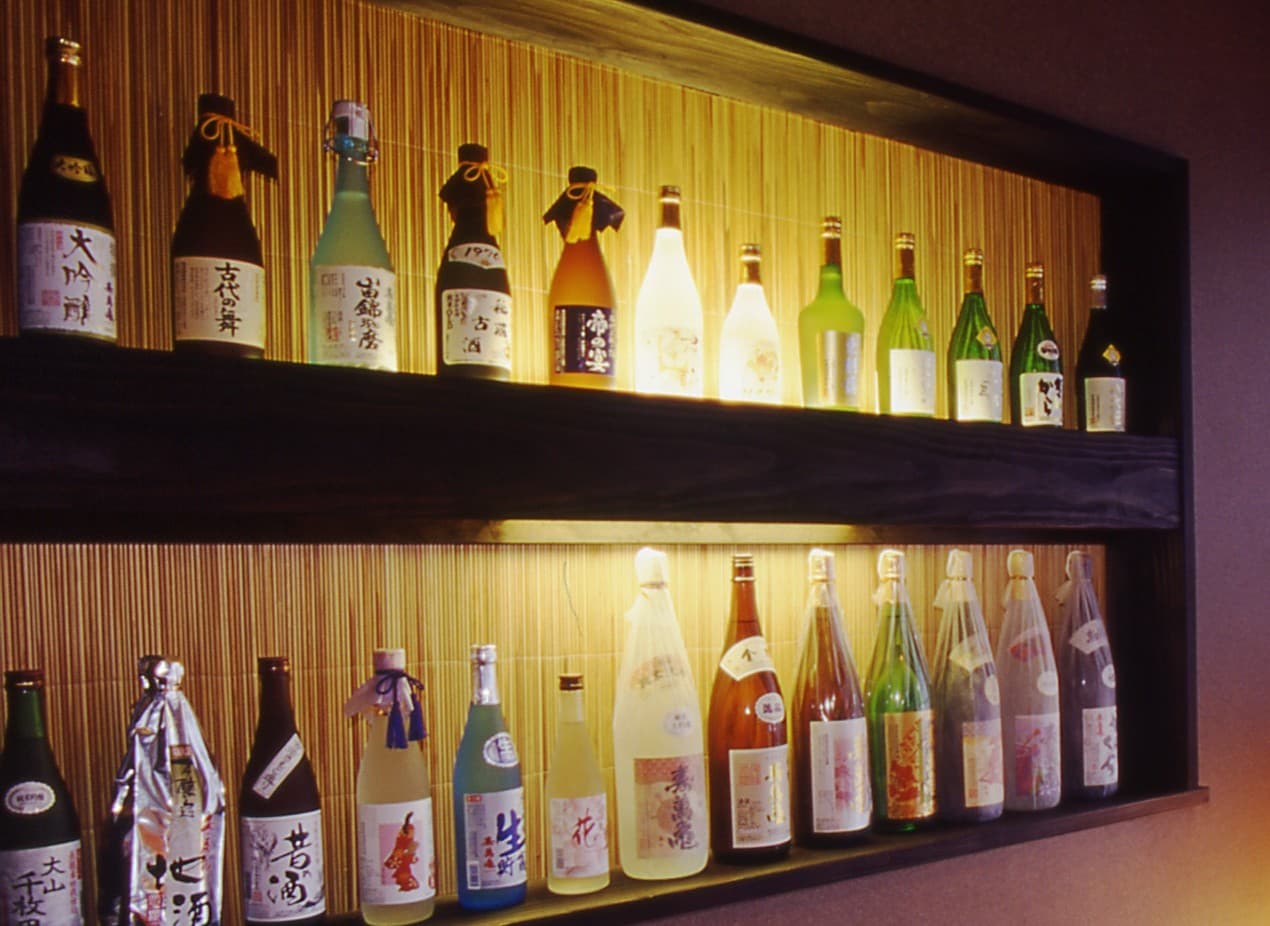
Much of Chiba’s local sake is made with rice and water from within the prefecture, shaped by each area’s climate and terrain and by the skill of its brewers. We see breweries themselves as important cultural assets of the region.
At Ippe THE SAKE RYOKAN we stock roughly 40 varieties of local sake from breweries across the prefecture. We have set up an environment where guests can compare them freely, so that both sake connoisseurs and people who rarely drink sake can enjoy the experience.
Simply assembling a large number of labels is not the goal. We hope to become a place that gathers the appeal of Chiba’s local sake in one location, and lets guests sense the history, the land and the intentions of the makers behind it.
We would like guests to feel as though they are traveling through Chiba one cup at a time, encountering the land and culture that raised each brewery. For overseas guests as well as domestic ones, we aim to serve as an entry point to “sake tourism” — experiencing Chiba’s landscape and culture through sake.
Every accommodation plan also adopts a “pairing-inclusive” format that includes a sake pairing with dinner. Combined with the free flow available in the lounges, guests can enjoy how flavors shift alongside the food, and compare different sakes.
“I didn’t know sake like this existed.” “This might be the flavor I like.” We would be glad if such discoveries lead guests to find a favorite bottle or a favorite brewery.
Building on the experience at the inn, we are also considering brewery tours that visit the producers themselves, so guests can engage more deeply with Chiba’s sake culture.
Using the inn as a base, we want to broaden connections with breweries and the wider community, and communicate the appeal of a “sake journey” that only Chiba can offer.
— In pairing Boso seafood and game meat with local sake, what combinations or experiences do you place the most value on?
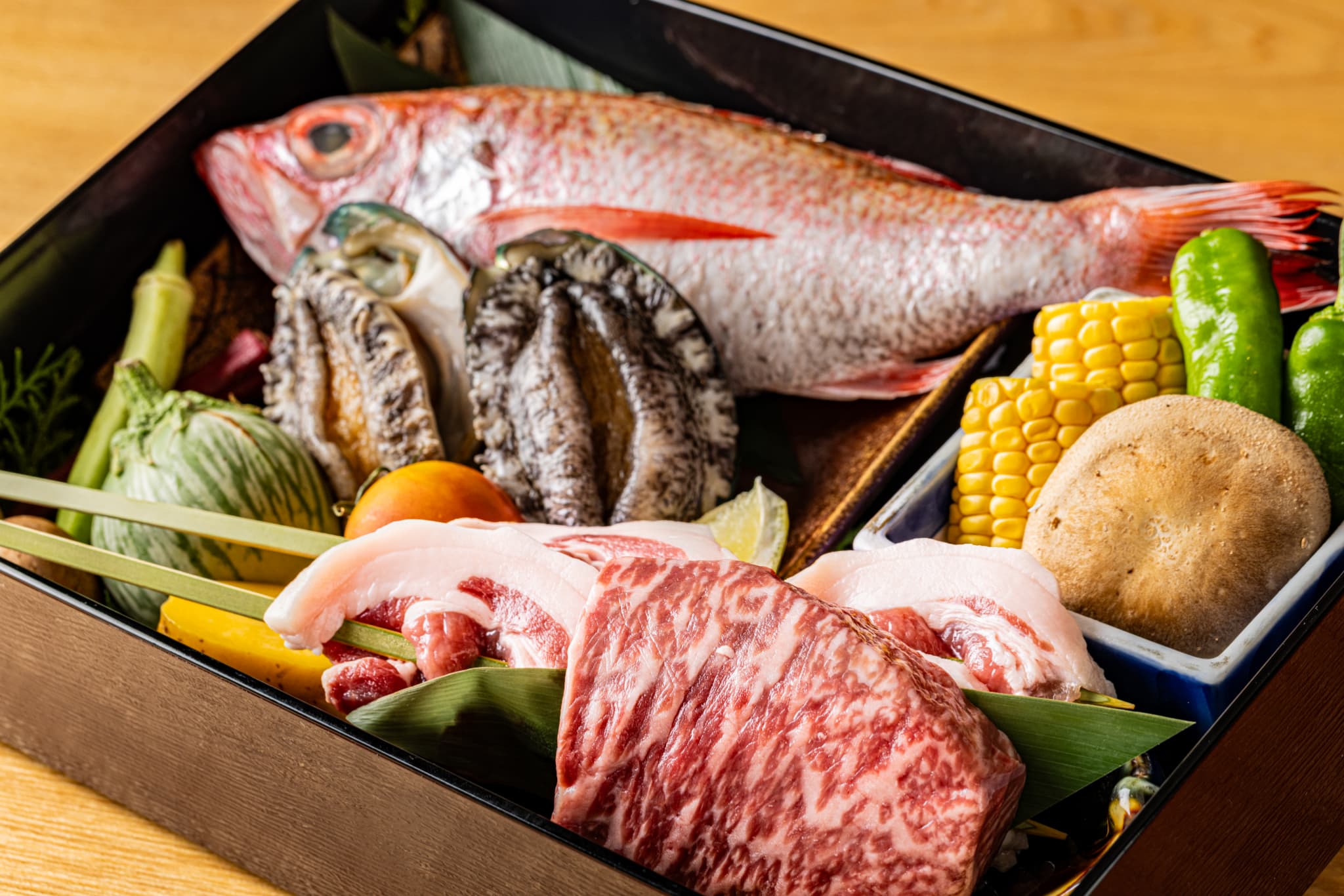
The Boso Peninsula is blessed with the bounty of both the sea and the mountains. Alongside fresh seafood such as spiny lobster and splendid alfonsino, game meat including deer and wild boar has in recent years been used as a regional resource, nurturing a food culture with the variety unique to Boso.
We grill these local ingredients over charcoal to draw out their inherent flavor, and we place importance on having guests enjoy them together with Chiba’s local sake. We also make a point of proposing the one cup that best suits each individual dish.
It is often said that ingredients and sake raised in the same place go well together. Pairing seafood and game raised in Chiba’s environment with local sake made from Chiba’s own rice and water brings out the appeal of each all the more.
For example, with the seafood dish that headlines the day’s menu — spiny lobster or splendid alfonsino, for instance — we serve “Iwanoi Yamahai Jikomi” from Iwase Shuzo in Onjuku Town. It is characterized by firm acidity and umami with a moderate sense of maturity, which further accentuates the rich umami of seafood and the aroma that only charcoal grilling produces.
Sake elevates the food, and the food deepens the flavor of the sake. Through that synergy, we hope guests will feel the richness of a cuisine where the bounty of sea and mountain coexists, as only Boso can offer.
— In restoring a ryokan and a former residence both more than 100 years old, what architectural qualities did you want to preserve, and where did you focus your efforts?
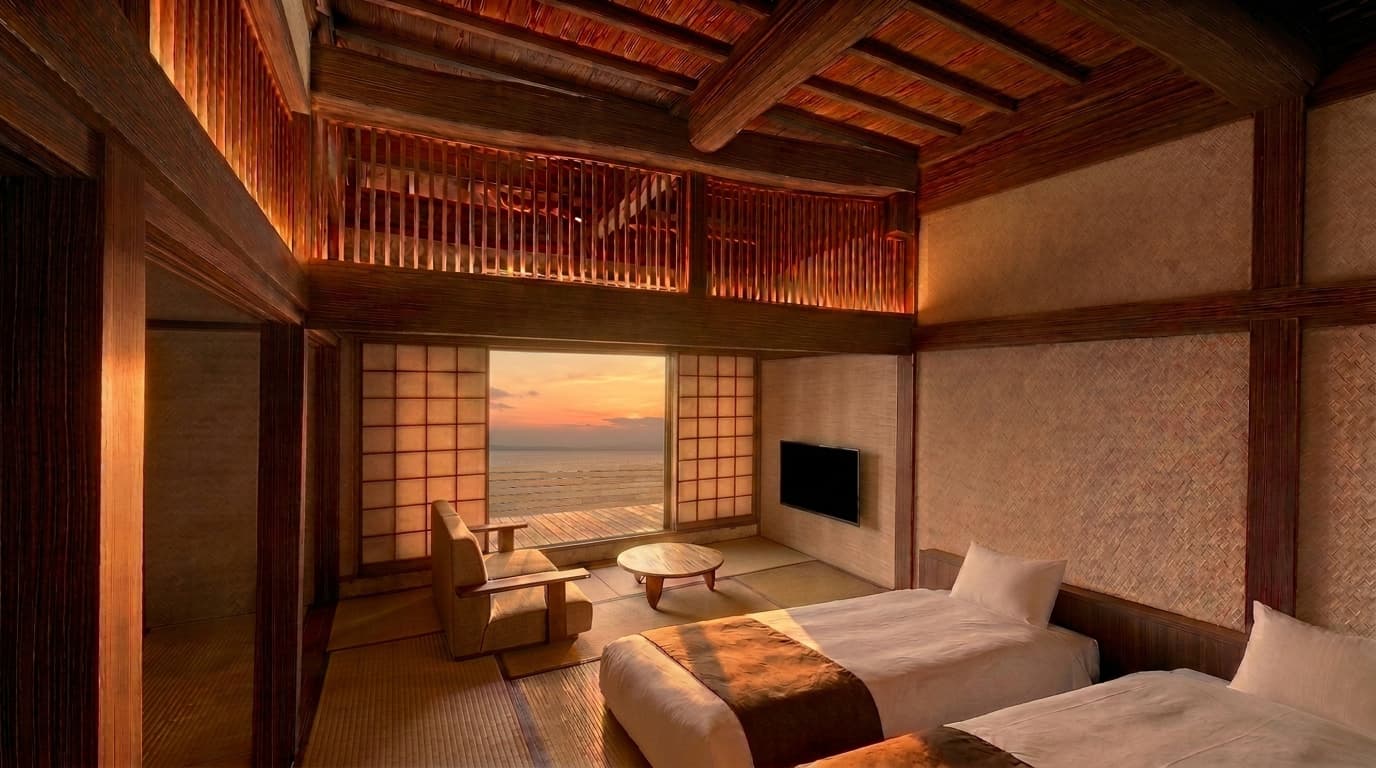
We inherited the history of a site that once held a ryokan and a residence familiar to local people, and gave it new life as a space for stays.
We valued the design language and spatial character of Meiji- and Taisho-era architecture, and preserved as much as possible the sense of scale that feels somehow nostalgic — thick beams, low ceilings and so on.
First-time guests may find some of it slightly unexpected. Even so, rather than renewing everything in pursuit of comfort alone, we deliberately carried certain elements forward, because we want guests to feel the history this land has traveled and the memory held in the buildings.
While still pursuing comfort, we aimed for a space with the warmth and calm particular to a Japanese house — an inn where the charm of old Japan and a contemporary style of stay coexist.
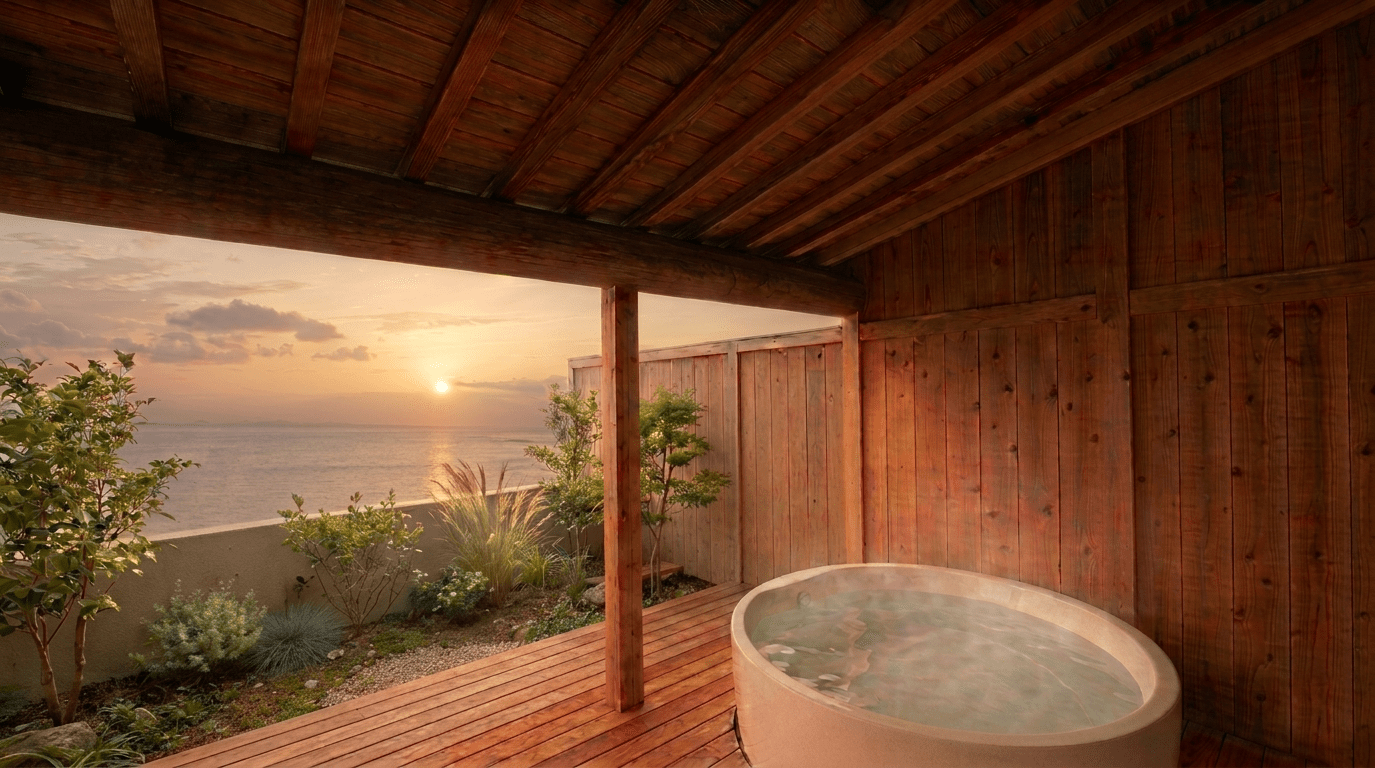
Motona Beach, where the inn stands, is also a scenic spot selected for the Ministry of Land, Infrastructure, Transport and Tourism’s “100 Views of Mount Fuji from Kanto,” and a historic location depicted in ukiyo-e by Utagawa Hiroshige. We regard the beautiful sunset and the view of Mount Fuji beyond it as one of the important qualities unique to this place.
Not only inside the buildings, but also through the sea, the sunset and the rich nature spreading beyond the windows, we hope guests will sense the accumulated time and history this land has fostered.
— Through Ippe THE SAKE RYOKAN, how would you like guests to experience Boso’s sake, food, architecture and culture, and to broaden their interest in the region?
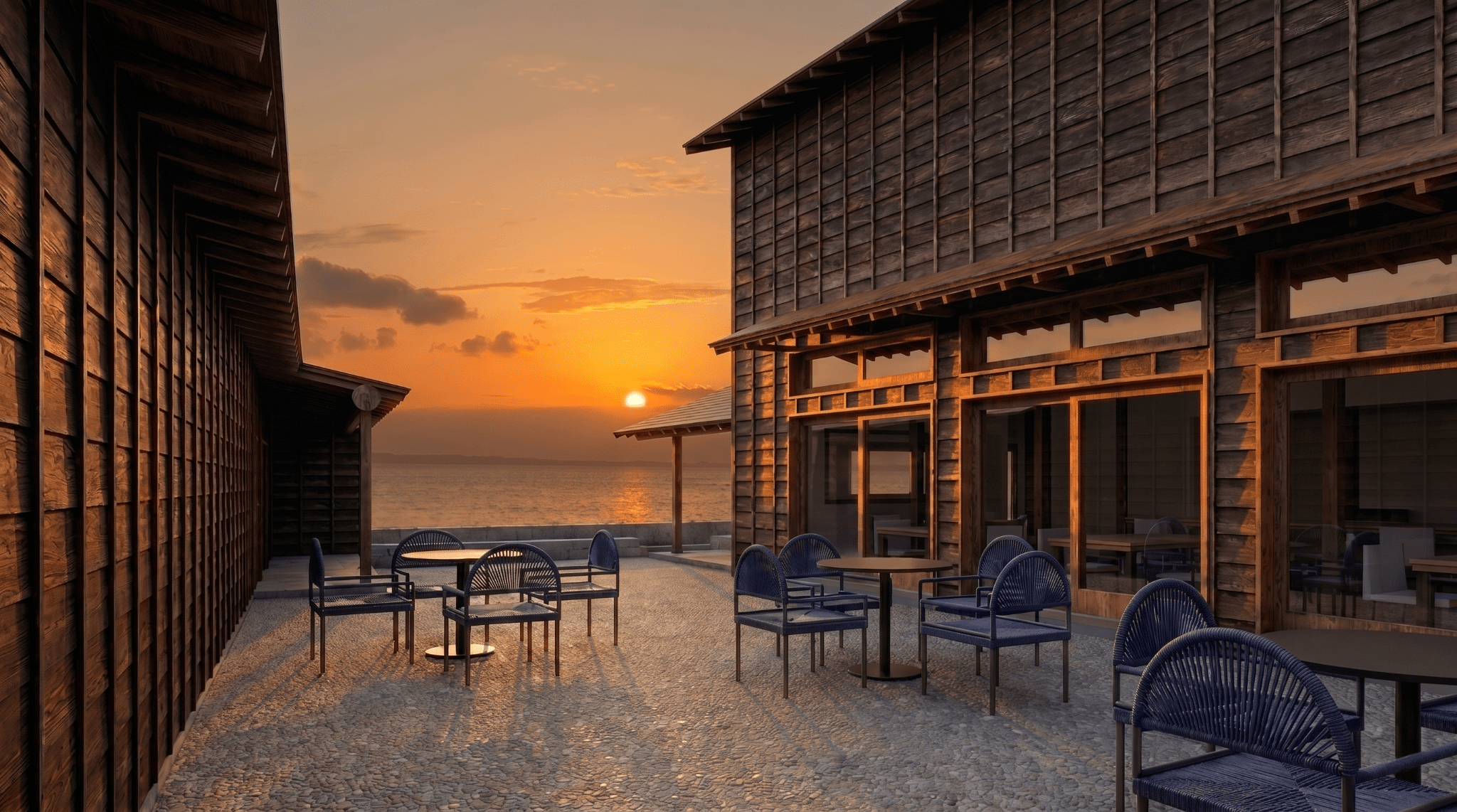
At Ippe THE SAKE RYOKAN, we want guests to enjoy Boso’s sake, food, architecture and culture as one continuous experience of a stay, and through that to feel anew the appeal unique to this land.
Learning the richness of Boso’s nature through the cuisine, encountering breweries and regional culture through local sake, and sensing the history of this land through its architecture and landscape. If those experiences leave guests thinking “I want to come back to Boso” or “next time I’ll visit a brewery,” nothing would make us happier.
And we hope Ippe THE SAKE RYOKAN can become a presence that generates new exchange in Motona Beach and Kyonan Town, once lively places, and gives people a reason to gather here again.
■ Property Overview
Name: Ippe THE SAKE RYOKAN (いっぺ THE SAKE RYOKAN)
Opening date: June 24, 2026
Location: Motona Beach, Kyonan Town, Awa District, Chiba Prefecture
Rooms: 16 in total
Age policy: 20 and over
Rate: From ¥29,800 per night with two meals (per person, two people per room)
Official site: https://awa-ippe.com/
Key features:
• A sake inn built around Chiba’s finest sake
• Charcoal-grilled course menu using Boso seafood and game meat
• Local sake pairing experience
• Semi-open-air bath in every room
• Adults only (20 and over)
• A lodging facility reborn as a new sake inn on the site once occupied by Kotaki Ryokan
Rates and Plan Benchmarks
The officially published room rate is from ¥29,800 per night with two meals (per person based on two people sharing a room, tax included, bathing tax extra). Every plan is “pairing-inclusive,” bundling a sake pairing with dinner, so this is not a property built around room-only or meal-free discount plans. The official site positions its published rates as the best rate for online booking.
Looking at actual selling prices through OTA-published rates, stays for September to November 2026 range from ¥47,900 to ¥189,600 per room for two people, tax included, with an average of roughly ¥89,900 (from roughly ¥24,000 per person, averaging around ¥45,000. N=1,724 plans across 70 days, HotelBank Editorial Team research). The spread varies widely by season, room type and party size, and rises further for the detached rooms and the sauna-equipped special room.
| Item | Detail |
|---|---|
| Officially published rate | From ¥29,800 per night with two meals (two per room, per person, tax included, bathing tax extra) |
| OTA-published rate (per room, two people, tax incl.) | ¥47,900–¥189,600, averaging roughly ¥89,900 (stays September–November 2026, N=1,724 plans across 70 days) |
| Plan format | Dinner pairing included in every plan (non-alcoholic pairing available) |
Source: information published on the official site and OTA public data (HotelBank Editorial Team research). Figures are based on published rates and may differ from actual transacted prices.
Dining and Facilities
Dinner is a charcoal-grilled kaiseki course built on the concept of “eating the sea and mountains of Boso over charcoal.” Centered on Boso seafood and game meat from Tateyama, every plan includes a pairing with Chiba local sake. Non-alcoholic drinks and a non-alcoholic pairing are also available for guests who do not drink. Breakfast is a Japanese-style meal using seasonal ingredients from the local Boso area.
As for facilities, three lounges on the property let guests freely compare local sake from across Chiba Prefecture at no extra charge (15:00–22:30, with coffee and other drinks served the following morning from 6:30 to 10:30). The bar lounge “Yuumi” also operates in the evening (20:30–23:00), and guests may use the adjacent “Yuumi Sauna Cafe.” How many properties nationwide place local sake at the center of a stay, and how they are rated, is analyzed from review data in our article Sake in Hotel Reviews: 1,053 Japan Properties, 0.053% of 3.29M Posts.
Guest rooms comprise 16 rooms across nine types, each with its own character, and every room has a semi-open-air bath fed by the property’s own “Awa Onsen” source. The detached building also holds a special room with a private sauna (“Detached room with sauna,” capacity two, roughly 55㎡ including room and terrace). Rooms with an in-room sauna remain rare among hot-spring ryokan. Note also that this is an adults-only property; guests under 20 cannot stay.
Access and Booking
The address is 438 Motona, Kyonan Town, Awa District, Chiba Prefecture. By train, the nearest station is Hota Station on the JR Uchibo Line, about a 20-minute walk away, or guests can use the shuttle service by advance reservation (from 14:45). By car, it is about 90 minutes from Tokyo, via the Tokyo Bay Aqua-Line and then Route 127 from the Kyonan-Hota interchange. Parking is available at the adjacent “Yuumi Sauna Cafe.” By highway bus, take a bus from Busta Shinjuku to Highway Oasis Furari, then use the shuttle by advance reservation (from 14:30) or a taxi (about 4.4 km).
Check-in is at 15:00 and check-out at 11:00. Reservations are accepted through the online booking system on the official site or by phone (0470-29-7780, 9:00–21:00), and the property is also listed on OTAs.